
Several weeks ago, I published “10 most painful comments as a pastor” and said I would follow up with “10 most helpful comments as a pastor.” After 10 years of full-time ordained ministry, I can say that I’ve been encouraged by some incredible people.
With pastor appreciation month coming up here in October, it’s important to realize that clergy need lifting up. As people who work serving others, the calling pastoral ministry requires long hours, late nights, and weekends. It can be exhausting work. As I wrote in my book, The Work of the Associate Pastor, clergy need to be affirmed and thanked for their service. Helpful comments or information on behalf of lay people are found from a source of love and not from frustration:


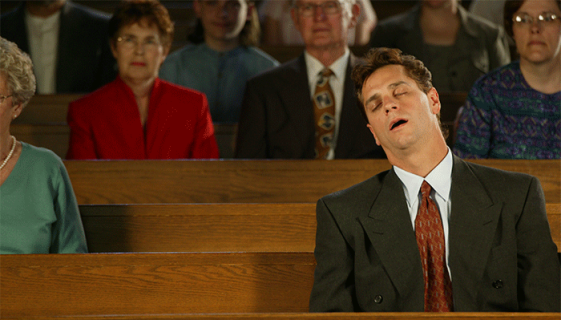 A church member greeted me after a church service in my usual location, the back exit. I embraced her and wished her a blessed week. She had strange look on her face and said, “You know, I really don’t like announcements at the end of worship. It really takes away the momentum of service and deflates it. I don’t know how to solve that. But then again, that’s your job!” She laughed.

 This past Sunday a
  The reports out of Orange County, California have not been encouraging for the once mighty Crystal Cathedral. Robert Schuller founded the church and recently retired as the church’s senior pastor. In turn, the church never fully recovered from Schuller’s pastoral departure. Though he stayed on the church’s governing board, two of his children took a shot at pastoring the large church. Schuller’s son, Robert became the senior pastor and two years later resigned. Then, Sheila, daughter of the elder Schuller, became senior pastor. The church then filed for bankruptcy last year with $50 million in debt.

 Is
Is 

You must be logged in to post a comment.